
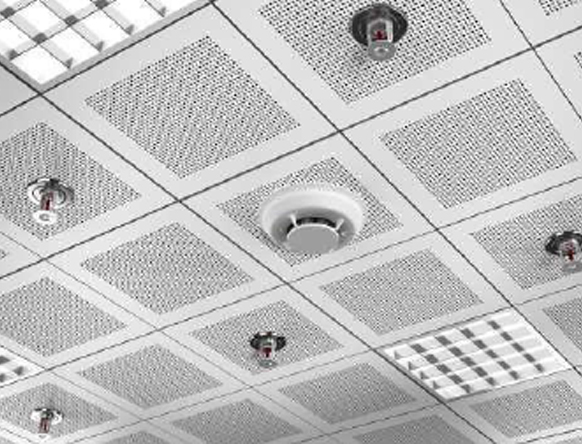
A fire sprinkler system is a vital part of fire protection in buildings, designed to detect and control fires automatically. Here’s a basic rundown of how it works and its components:
Components:
-
- Sprinkler Heads: These are the devices that actually discharge water when activated. They are usually installed in ceilings and are triggered by heat. Each sprinkler head has a glass bulb or fusible link that melts or bursts at a certain temperature, allowing water to flow.
- Piping System: Sprinklers are connected to a network of pipes that deliver water from the main water supply. The pipes are typically made of steel, copper, or plastic and are installed throughout the building.
- Water Supply: This can be provided by the building’s water system, a dedicated water tank, or a combination of both. The water supply needs to be sufficient to handle the demands of the sprinkler system.
- Control Valves: These valves control the flow of water to the sprinkler system. They need to be regularly inspected and maintained to ensure they are operational.
- Alarm System: Many systems are integrated with an alarm that notifies occupants and emergency responders when the sprinklers are activated.